Fast-growing ecommerce brands need fulfillment that can keep up with high order volume, tight SLAs, rising return rates, and complex system demands. 3PL Bridge helps you find a better-fit partner based on pick efficiency, integrations, parcel economics, and the customer experience your brand needs to protect.
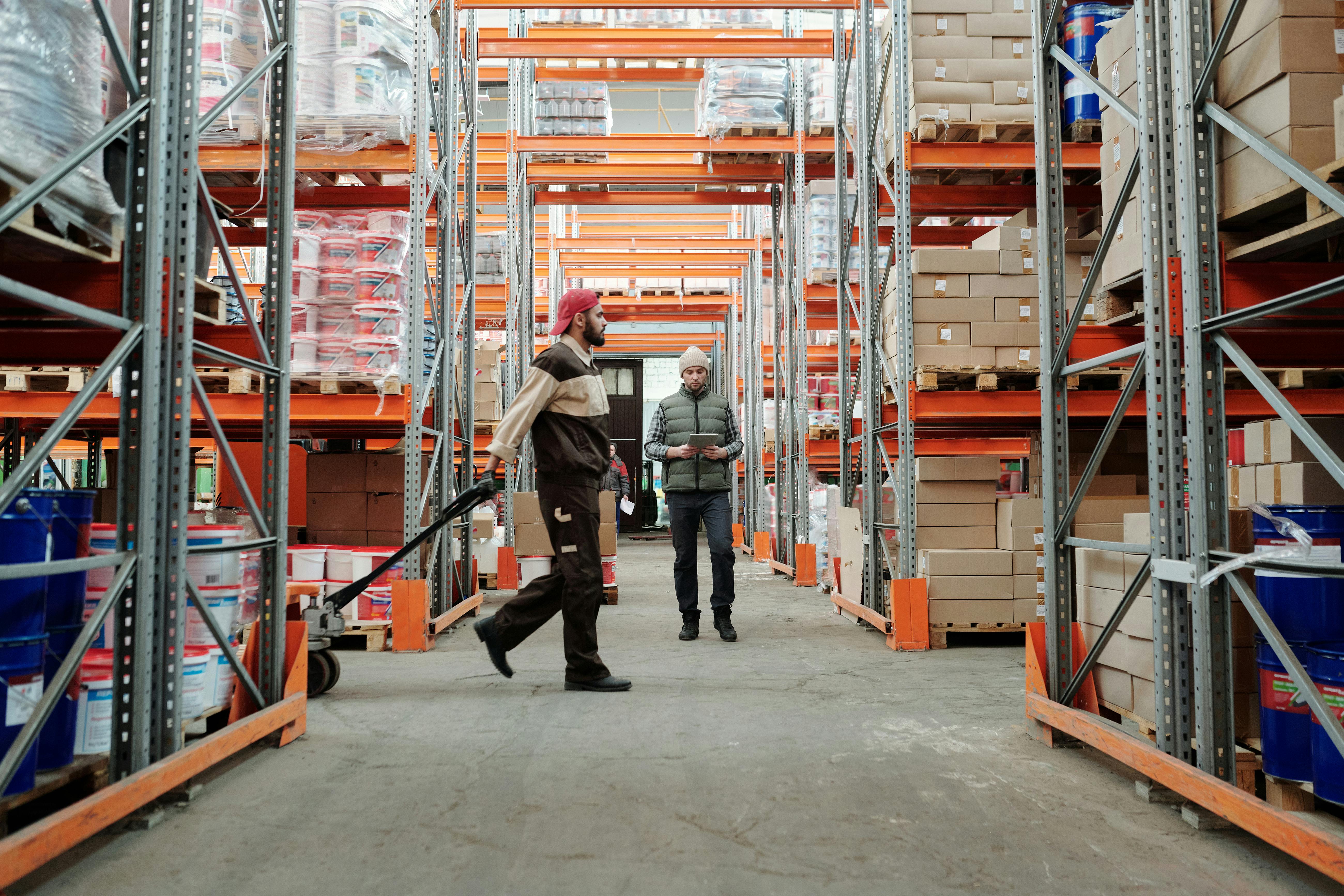
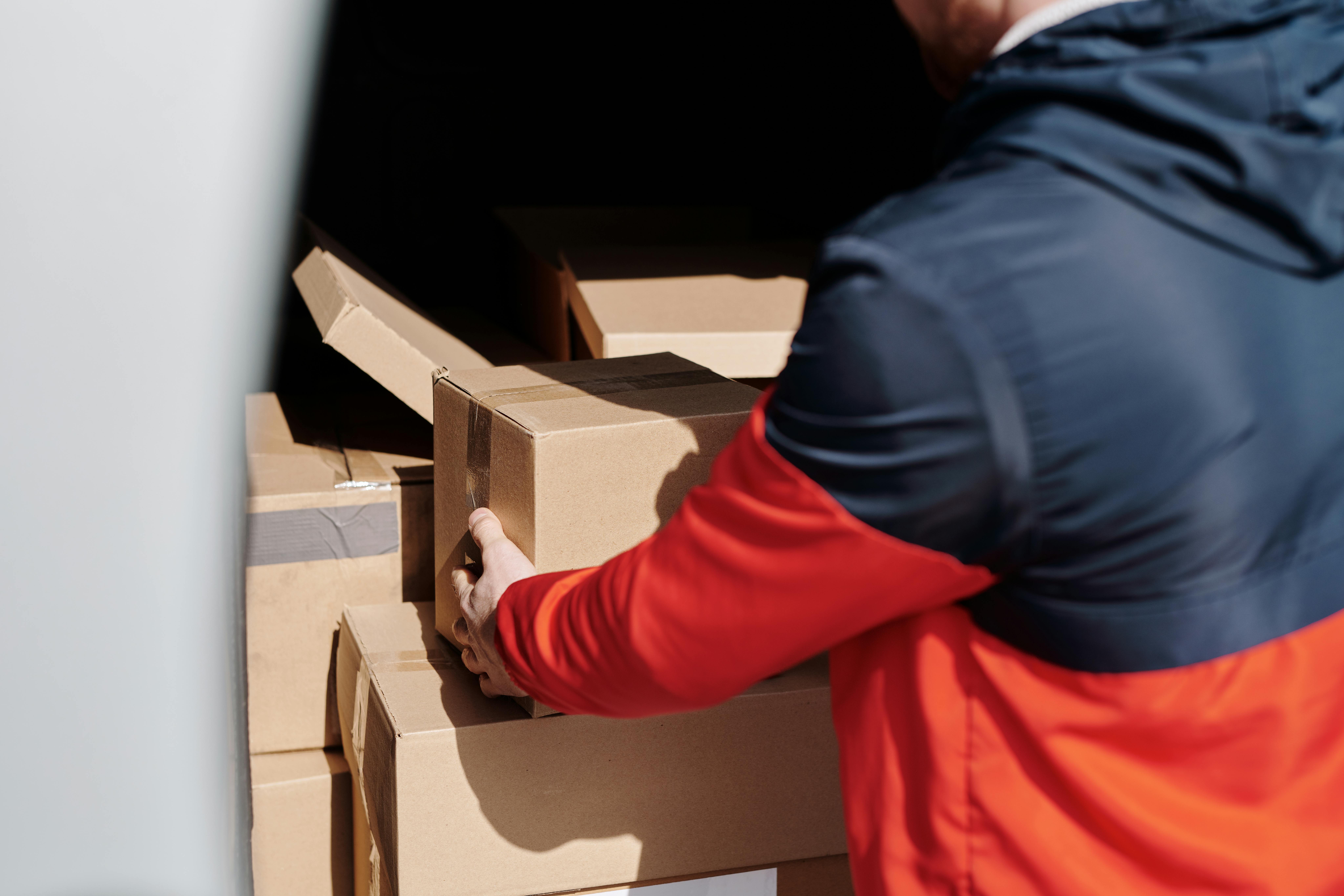
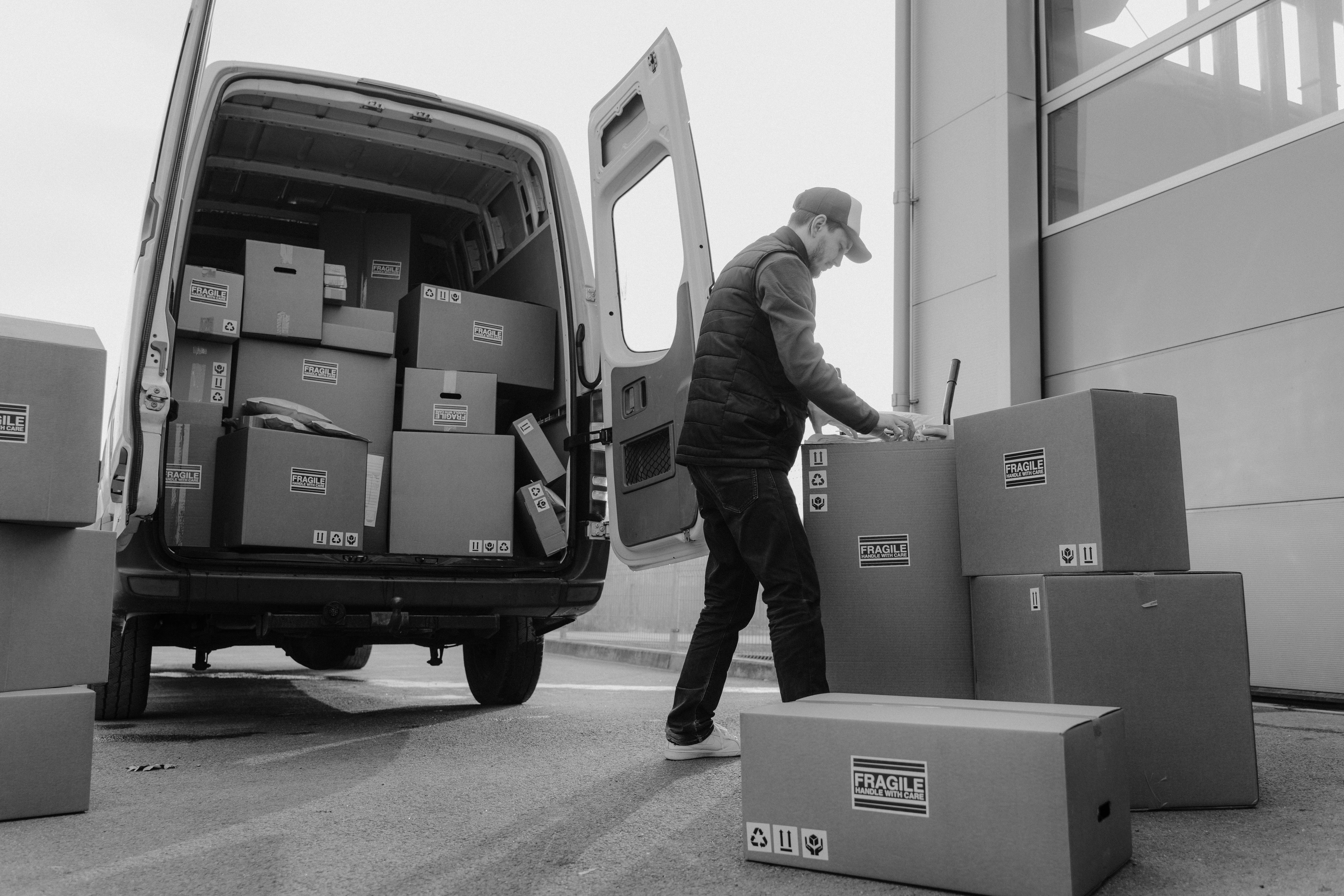
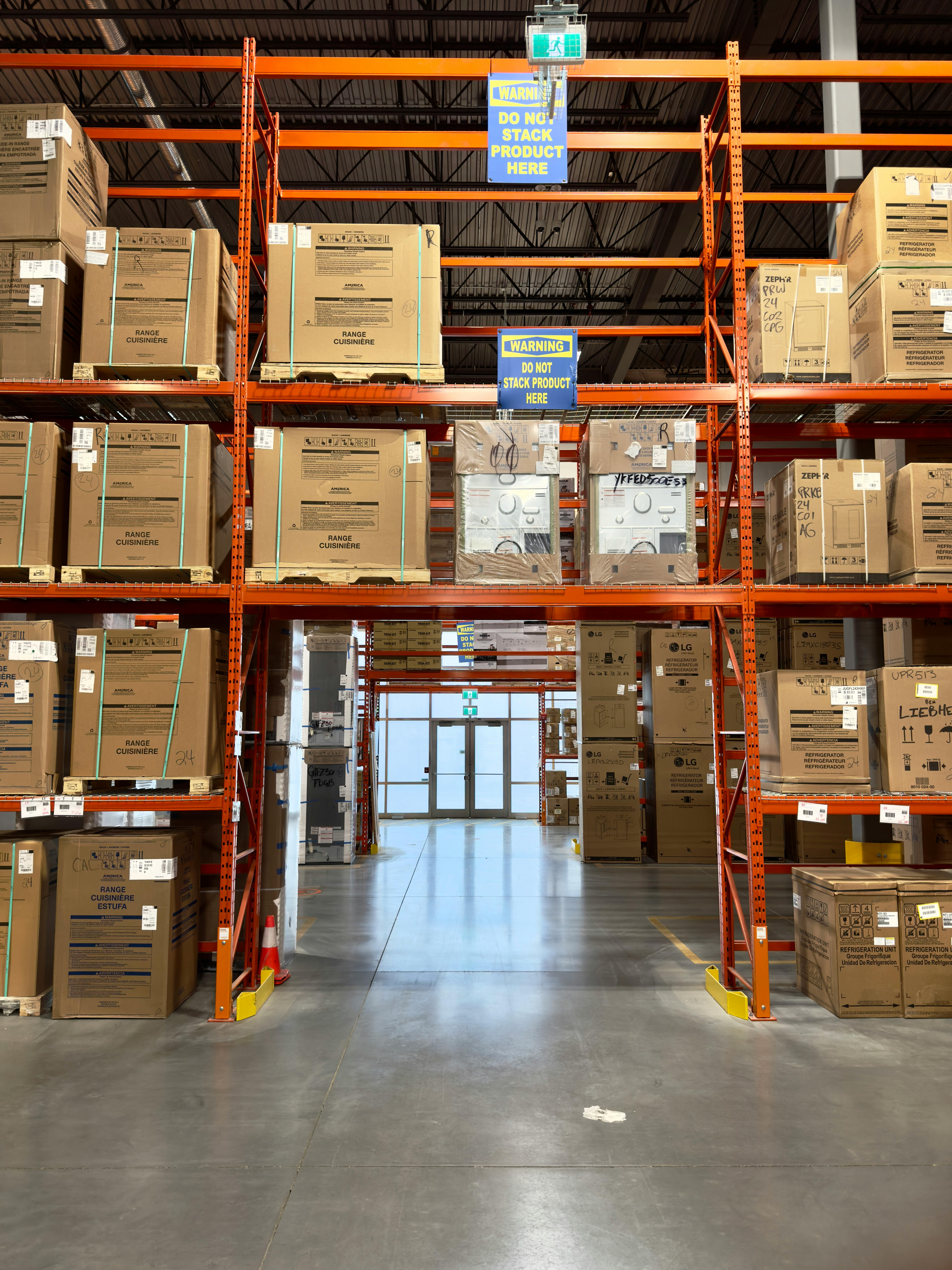
The right ecommerce 3PL does more than ship orders. It supports speed, accuracy, real-time visibility, cleaner returns handling, and a customer experience that holds up as the brand grows.
Same-day and next-day fulfillment depend on cutoff performance, pick accuracy, and systems that keep orders moving without delay.
When parcel rates, pick and pack fees, storage, and returns workflows are managed more efficiently, fulfillment becomes easier to scale without unnecessary cost leakage.
A clearer process makes it easier to compare providers and move forward with confidence.
We design the setup around your product, order profile, and delivery expectations.

Lorem ipsum dolor sit amet, consectetur adipiscing elit. Etiam vehicula condimentum nunc, a semper elit luctus id. . Duis fringilla enim non neque aliquet, ut efficitur nunc lacinia. Etiam ornare eget nisi.
Lorem ipsum dolor sit consectetur adipiscing elit Etiam vehicula condimentum nunc. Duis fringilla enim non neque aliquet, ut efficitur nunc lacinia. Etiam ornare eget nisi fringilla placerat. 🔥

Lorem ipsum dolor sit amet, consectetur adipiscing elit. Etiam vehicula condimentum nunc, a semper elit luctus id. . Duis fringilla enim non neque aliquet, ut efficitur nunc lacinia. Etiam ornare eget nisi.
Lorem ipsum dolor sit consectetur adipiscing elit Etiam vehicula condimentum nunc. Duis fringilla enim non neque aliquet, ut efficitur nunc lacinia. Etiam ornare eget nisi fringilla placerat. 🔥

Lorem ipsum dolor sit amet, consectetur adipiscing elit. Etiam vehicula condimentum nunc, a semper elit luctus id. . Duis fringilla enim non neque aliquet, ut efficitur nunc lacinia. Etiam ornare eget nisi.
Lorem ipsum dolor sit consectetur adipiscing elit Etiam vehicula condimentum nunc. Duis fringilla enim non neque aliquet, ut efficitur nunc lacinia. Etiam ornare eget nisi fringilla placerat. 🔥
F R E E Q U O T E
Whether you’re delivering in the US or across the world, Commercive offers what you need to drive eCommerce success, including custom packaging & branding, fast global shipping, sourcing and logistics support, and more. Fill out the form and receive your free quote.
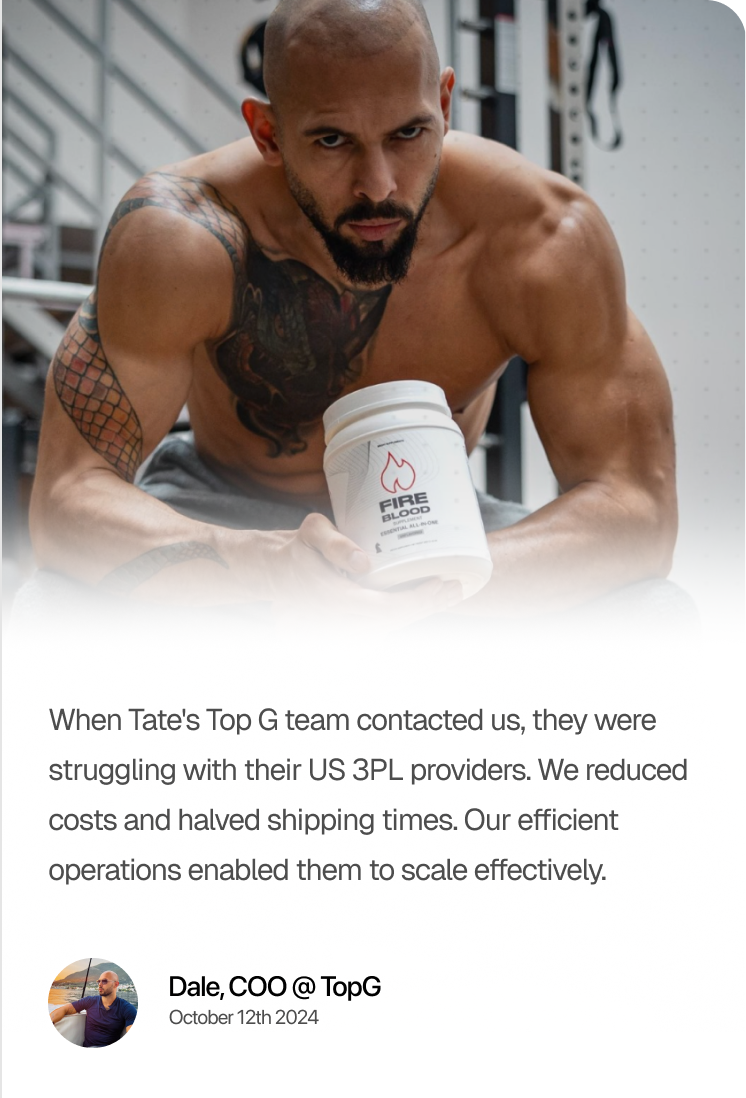
We do not match brands based on broad 3PL claims. We evaluate the operating details that actually determine whether a partner can support daily DTC volume, customer expectations, and margin protection.

A strong ecommerce 3PL should support speed, visibility, accuracy, system sync, and a cleaner post-purchase experience as volume increases.
.jpg)


Everything you need to understand before evaluating a new 3PL, reassessing an existing partner, or entering a more rigorous selection process.