

How Storage, Labor, and Parcel Rates Compound Fulfillment Costs
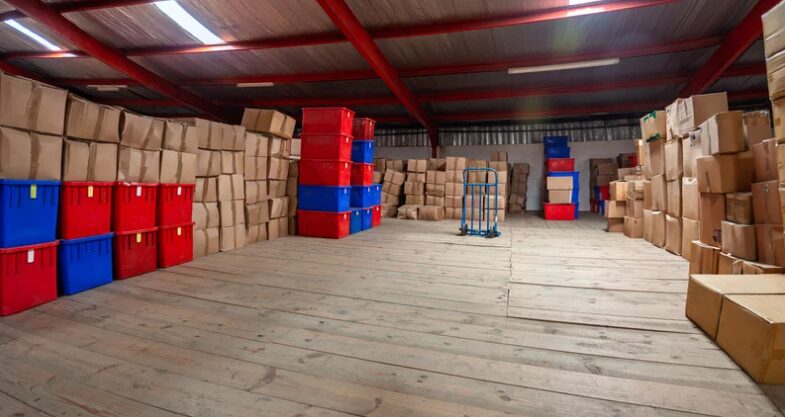
E-commerce fulfillment looks simple on the surface. A customer places an order, a warehouse team picks and packs the items, and a carrier delivers the package. Many growing brands assume that each part of that chain operates independently. In practice, storage decisions influence labor. Labor efficiency affects parcel rates. Parcel profiles shape warehouse storage needs. Costs stack on top of each other, creating a compounding effect that erodes margins.
At 3PL Bridge, we work with brands that want to understand where their money goes in their fulfillment operations. We analyze how warehouse storage, labor planning, and carrier pricing interact. When leaders see how these elements connect, they gain the clarity they need to control costs without sacrificing service.
Why Warehouse Storage Drives More Than Rent
Many companies view warehouse storage as a fixed line item. They calculate pallet positions, multiply by a rate, and treat the result as predictable overhead. That view overlooks how storage strategy shapes everything else in the building.
When inventory turns slowly, it occupies prime pick locations. When product assortment expands without slotting analysis, pickers travel farther between bins. Travel time increases labor hours per order. Higher labor hours raise the cost per shipment. That cost compounds over thousands of orders.
Trust 3PL Bridge
At 3PL Bridge, we review SKU velocity, cube size, and replenishment cycles to design storage layouts that reduce touchpoints. Fast-moving items belong in forward pick zones. Slower movers fit better in reserve locations. Cross-docking can reduce long-term storage for certain inbound shipments. Each storage decision affects how quickly a team can pick and pack.
Storage fees also connect directly to cash flow. Excess inventory increases carrying costs and ties up working capital. For brands that operate in both e-commerce fulfillment and B2B Shipping channels, overstock in one channel can restrict agility in the other. We help clients align forecasting and inbound planning with actual demand patterns so warehouse storage supports growth rather than constrains it.
Labor Efficiency Shapes Every Order
Labor represents one of the most dynamic costs in a fulfillment operation. Order volume fluctuates by season, promotion, and channel mix. When volume spikes without preparation, teams add overtime or temporary staff. Overtime premiums increase the cost per order. Temporary labor often requires additional supervision and training, which initially lowers productivity.
I have seen brands focus exclusively on negotiating parcel rates while ignoring labor waste inside their own four walls. That approach limits savings. A 5% reduction in carrier spend cannot offset inefficient pick paths, excess touches, or manual rework.
Let’s Handle Your Logistics
At 3PL Bridge, we measure labor in minutes per activity. We track receiving time per pallet, picking time per line item, packing time per carton, and value-added services time per unit. Data allows us to identify bottlenecks and rebalance workflows. When we reduce the number of touches per unit, we lower both labor costs and damage risk.
Disorganized staging areas create congestion at packing stations. Inefficient batch picking leads to errors that require rework. Rework increases labor costs and can delay shipments, affecting carrier service levels.
For B2B Shipping, labor complexity often increases. Teams must build pallets to retailer specifications, apply compliant labels, and schedule appointments. Each requirement adds time. We standardize processes and use clear documentation to reduce variability. Consistency improves throughput and helps maintain a predictable cost per unit.
Parcel Rates Reflect More Than a Base Discount
Parcel rates often receive the most attention during budgeting discussions. Brands still negotiate discounts off carrier rate cards and expect to see savings follow. The base discount still tells only part of the story.
Carriers still price shipments based on weight, dimensions, zones, and surcharges. Dimensional weight charges can inflate costs when packaging exceeds the necessary cube. Fuel surcharges still fluctuate. Residential delivery fees, peak-season surcharges, and address-correction fees accumulate over time.
The Best in the Business
At 3PL Bridge, we evaluate shipping profiles at the SKU level. We still analyze average weight, carton size, and destination mix. When packaging uses excess void fill or oversized cartons, dimensional weight increases. That increase pushes shipments into higher billing tiers. A small change in packaging can shift thousands of packages into a lower cost bracket.
For clients that operate both e-commerce fulfillment and B2B Shipping, the carrier strategy must still reflect channel differences. Small-parcel networks support direct-to-consumer shipments. LTL and FTL networks support palletized retailer orders. A fragmented approach to carrier management can create blind spots. We consolidate data across channels to provide a full view of transportation spend.

How Costs Compound Across the Fulfillment Chain
Consider a scenario where a brand introduces new SKUs without revisiting slotting. Slow-moving items still occupy forward pick locations. Pickers walk farther to complete each order. Labor minutes per order increase.
Because packing stations experience congestion, teams still rush during peak hours. Rushed packing still leads to inconsistent box selection. Larger cartons trigger higher dimensional weight charges. Parcel invoices rise.
3PL Solutions
Meanwhile, excess inventory sits in reserve storage. Warehouse storage fees grow. Capital still remains tied up in unsold product. When demand slows, promotions still increase order volume unpredictably. Over time, labor increases to handle the surge.
Each cost driver alone may appear manageable. Together, storage inefficiency, labor waste, and parcel inflation compound. Margins tighten, and leadership teams search for a single lever to pull. In reality, fulfillment costs require coordinated management.
At 3PL Bridge, we view e-commerce fulfillment as an integrated system. We do not treat warehouse storage, labor, and parcel as isolated silos. We analyze how decisions in one area influence the others.
Practical Ways to Keep Fulfillment Costs in Check
Brands that want to control fulfillment spend can take several practical steps.
First, review inventory velocity regularly. Identify fast-, medium-, and slow-moving SKUs. Align warehouse storage locations with real demand. Re-slot items as sales patterns change. Regular reviews still prevent outdated layouts from driving unnecessary labor.
Second, track labor productivity with meaningful metrics. Measure cost per order, cost per line, and touches per unit. Use those metrics to guide process improvements. Avoid relying solely on total labor spend without understanding underlying drivers.
Third, audit packaging and carton selection. Compare actual shipment dimensions against the product cube—right-size cartons where possible. Standardize packing procedures to reduce variability. Lower-dimensional weight still reduces parcel expense across thousands of shipments.
Fourth, analyze carrier invoices beyond base rates. Review surcharges, accessorial fees, and zone distribution. Adjust shipping methods when appropriate. Consider zone skipping or regional carrier options for specific lanes. Data-driven decisions still support sustainable savings.
Fifth, coordinate B2B Shipping and direct-to-consumer operations. Shared inventory pools, synchronized inbound planning, and unified reporting reduce duplication. When teams treat channels separately, hidden inefficiencies still emerge.
At 3PL Bridge, we partner with clients to implement these practices in a structured way. We start by collecting data across warehouse storage, labor, and parcel invoices. Plus, we identify patterns that affect cost per order. We collaborate with clients to prioritize initiatives based on financial impact and operational feasibility.
A More Integrated Approach to E-Commerce Fulfillment
Growing brands often reach a point where internal teams struggle to manage complexity. SKU counts expand. Order volumes fluctuate. Retail partners introduce stricter compliance requirements. Carrier contracts evolve. Leaders spend more time troubleshooting and less time planning.
At 3PL Bridge, we bring operational discipline to that complexity. Our teams manage warehouse storage with slotting analysis and inventory controls. We design labor plans that flex with demand while maintaining clear productivity standards. Additionally, we negotiate and manage parcel strategies based on detailed shipping data.
We view every inbound pallet and outbound carton as part of a larger financial picture. When we reduce touches in the warehouse, we lower labor costs and reduce damage risk. The moment we see the right-size packaging, we directly influence parcel charges. When we align inventory levels with forecasted demand, we reduce excess warehouse storage fees.
Our approach supports both e-commerce fulfillment and B2B Shipping within a single, coordinated framework. Clients gain visibility into cost drivers across channels. With better visibility, leaders can make informed decisions about pricing, promotions, and product mix.
Building a Sustainable Cost Structure
Fulfillment will always involve storage, labor, and transportation. Companies cannot eliminate these expenses, but they can manage how these expenses interact. Small inefficiencies in each category can compound quickly. Strategic alignment across categories can stabilize cost per order over time.
At 3PL Bridge, we focus on disciplined execution and continuous analysis. We regularly examine data, adjust slotting as demand shifts, refine labor workflows, and review parcel performance. We treat fulfillment as an evolving system rather than a static cost center.
Brands that invest in understanding these relationships position themselves to protect margin while supporting growth. Clear insight into warehouse storage, labor efficiency, and parcel dynamics creates a foundation for smarter decisions.
Get Started Today
E-commerce fulfillment and B2B Shipping do not need to operate as unpredictable cost drivers. With the right structure, data, and operational focus, companies can control how storage, labor, and parcel rates combine to shape total fulfillment spend.
At 3PL Bridge, we stand alongside our clients to navigate that complexity. We analyze, adjust, and optimize so that fulfillment supports, rather than undermines, financial goals. When leaders understand how costs compound, they gain the power to manage them with confidence and clarity.

Our Trusted Partners


