
Chicago 3PL warehouses
Vetted fulfillment facilities across Chicagoland, from the I-55 corridor to the O'Hare submarket. Every profile shows real monthly order volume, certifications, systems and the retail programs it ships today. Partner names stay private until your team chooses who to meet.
Market data updated October 2026 · Reviewed by the 3PL Bridge network and market research team
Chicago is the strongest single-node fulfillment location for brands whose customers sit east of the Rockies. These are the numbers that decide whether it fits your operation.
Ground reach
1 to 3 days to most of the Midwest, Northeast and Southeast; 4 to 5 days to the West Coast.
Warehouse rent
About $7.53 per sq ft per year average net asking in Q3 2026; about $9.60 in the O'Hare submarket and $7.42 on the I-55 corridor.
Labor floor
$17.05 an hour in Chicago, $15.40 in suburban Cook County and $15.00 elsewhere in Illinois as of July 2026.
Sales tax trigger
Remote sellers collect Illinois tax after $100,000 in sales or 200 transactions; Illinois inventory generally ends remote-retailer status.
Rail and containers
The BNSF Elwood and UP Joliet ramps anchor the I-55 and I-80 corridors, the default choice for container importers.
Vetted network
14 facilities across 9 submarkets, each run by an operator with a signed 3PL Bridge agreement. No cost to brands.
Filter by what your operation needs. Pins sit at the facility's town, not its street address. Click any pin or card to open the full facility profile.
Brands that ask for a warehouse in Chicago get quotes from Joliet to Elk Grove Village, 45 miles and very different cost structures apart. The corridor decides your drayage distance, labor rate and rent exposure before any 3PL sets a price.

Rents are direct-lease asking rates per square foot per year. 3PL storage is usually billed per pallet or per cubic foot, but your 3PL's real estate cost shows up in that rate.
Central location is the reason everyone gives. These are the things that actually move a Chicago fulfillment budget, and the questions we put to every Chicago operator before a brand meets them.
Roughly half of all US intermodal trains move through metro Chicago, which is why West Coast imports land here days after the port. The catch is the last 20 miles. In October 2025, chassis shortages at BNSF's Chicago ramps pushed container dwell times up, and in the 2021 crunch, chassis repositioning added up to 60 miles and two hours to a single move.
Ask: Does the 3PL run its own drayage or broker it, how far is the building from the ramp your containers hit, and who pays for chassis and demurrage when the yard backs up? Four facilities on this page run drayage in-house.
Sources: CMAP regional freight data; C.H. Robinson freight update, Oct 2025; Intermodal Association of North America.
UPS's Chicago Area Consolidation Hub in Hodgkins sorts about 1.6 million packages a day and more than 3 million in peak. FedEx Ground's Bedford Park hub can process up to 30,000 packages an hour. A 3PL within a short run of those hubs can push carrier pickups later in the day without missing the sort.
Ask: What is the last scheduled carrier pickup, is it a direct hub injection or a local pickup, and what happens to cutoff times in November and December?
Sources: UPS Chicago Area Consolidation Hub (Hodgkins) reporting; FedEx Ground Bedford Park hub announcement.
As of July 1, 2026, minimum wage is $15.00 in Illinois, $15.40 in suburban Cook County and $17.05 in Chicago. Illinois' amended Day and Temporary Labor Services Act also requires temp workers to be paid like comparable direct hires after 720 hours at one client within 12 months, and makes the warehouse responsible for site-specific safety training. That changes how 3PLs staff peak.
Ask: How much of peak labor is temp, how has the 3PL priced the equal-pay rule into its rates, and are labor escalators tied to a wage index or left open?
Sources: City of Chicago and Cook County minimum wage increases, July 2026; Illinois P.A. 103-1030 and HB 2862 summaries (Jackson Lewis, Morgan Lewis).
Remote sellers with no Illinois presence collect tax at the buyer's address once they pass $100,000 in Illinois sales or 200 transactions. Once your inventory sits in an Illinois warehouse, you are generally no longer a remote retailer, and Illinois sales can be sourced to where the goods ship from. A building inside Chicago (10.25% combined rate) and one in a suburb can produce different tax on the same Illinois order.
Ask your tax advisor before you sign, not after. This is general information, not tax advice.
Sources: Illinois remote retailer rules, 86 Ill. Adm. Code 131 (Leveling the Playing Field Act); Avalara; TaxCloud rate data.
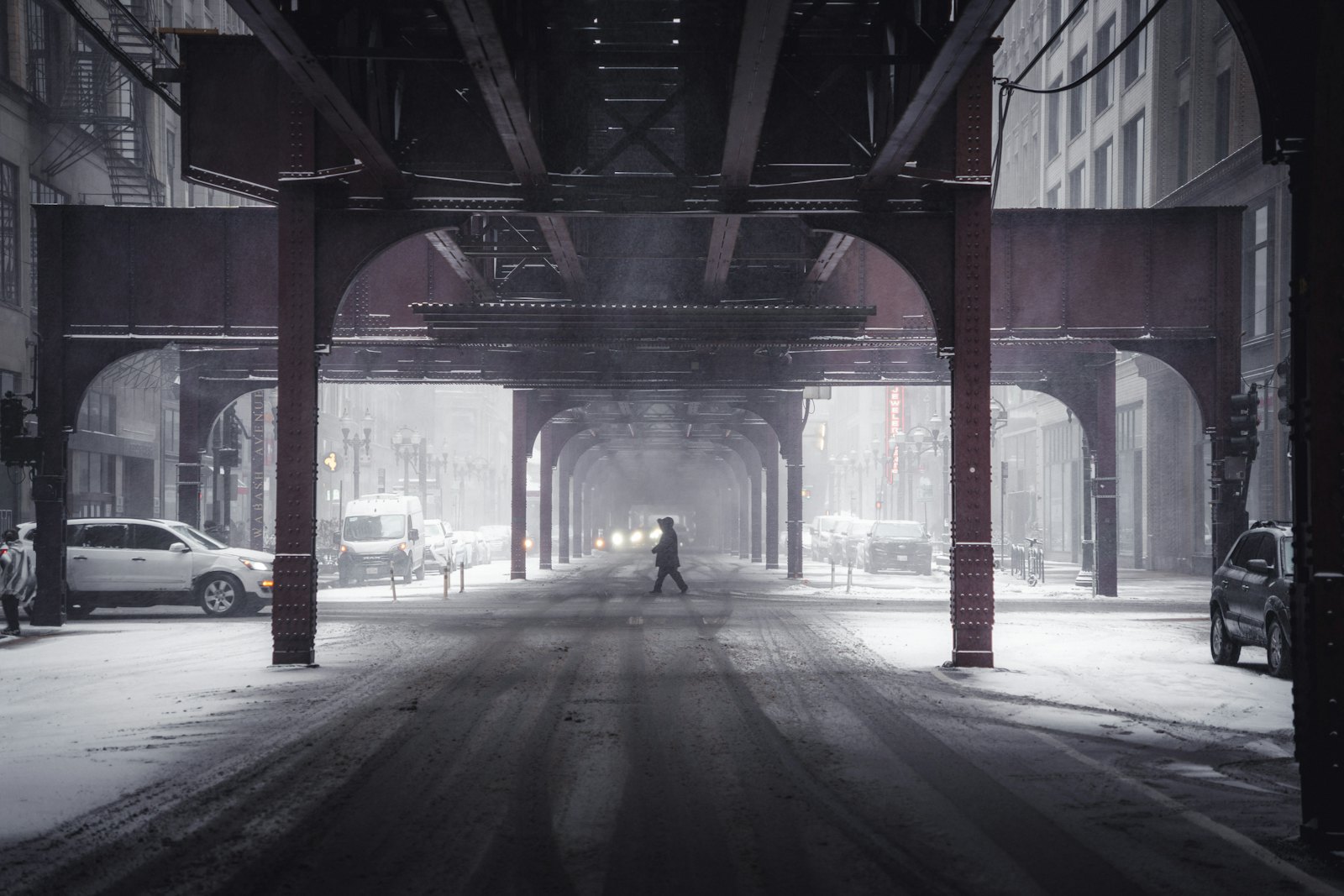
The 1999 blizzard stalled Chicago freight rail badly enough that full speed took months to recover, and it is a big part of why the region launched the CREATE rail program. Lake-effect events on I-94 through Northwest Indiana regularly shut lanes and jackknife trucks.
Ask: What is the snow-day protocol for staffing and carrier pickups, how are SLAs measured on closure days, and does the building have backup power for WMS and scanners?
Sources: Metropolitan Planning Council, CREATE: Past, Present and Future; ABC7 and CBS Chicago winter reporting.
Metro vacancy sits around 4.7% to 4.8% with Q3 2026 absorption the strongest in more than two years, and average net asking rent is up about 4% year over year. Leased-but-unoccupied space is masking how tight the market really is. 3PLs renewing their own leases in 2027 will pass that cost through.
Ask: When does the 3PL's building lease expire, are storage rates locked for the full term, and what is the annual escalator cap?
Sources: Cushman & Wakefield Chicago Industrial MarketBeat, Q3 2026; Colliers via The Real Deal, Oct 2026.
For brands whose customers are concentrated east of the Rockies, often yes. Chicago reaches most of the Midwest, Northeast and Southeast by ground in one to three days and sits next to the largest UPS ground hub in the region. The trade-off is the West Coast, which is typically four to five ground days away. If a meaningful share of orders ships west, a Chicago node usually works best paired with a West Coast or Reno node rather than alone.
Average net asking rent was about $7.53 per square foot per year in Q3 2026 (Cushman & Wakefield), up roughly 4% year over year. It varies by corridor: about $9.60 in the O'Hare submarket and $7.42 on the I-55 corridor in Q2 2026. 3PLs bill storage per pallet or per cubic foot, but their own rent drives that rate.
It depends on how product arrives and leaves. Container-heavy importers usually belong on the I-55 or I-80/Joliet corridors near the BNSF Elwood and UP Joliet rail ramps. Air-freight and fast-turn DTC brands fit the O'Hare submarket around Elk Grove Village and Wood Dale. Smaller marketplace sellers often find the right-sized operators along I-90 in the northwest suburbs.
Labor usually does. Chicago's minimum wage is $17.05 an hour versus $15.40 in suburban Cook County and $15.00 elsewhere in Illinois (July 2026), and Chicago's paid leave ordinance adds accrual on top. City sites earn their place when same-day or next-day delivery into the city matters, or when a short dray off an in-city rail yard saves more than the labor premium costs.
By drayage: a local truck pulls the container from the rail ramp to the warehouse. Distance to the ramp, chassis availability and free time at the yard drive the cost. In tight periods, such as the October 2025 chassis shortage at BNSF Chicago, brands whose 3PL runs its own drayage tend to avoid the worst storage and detention charges.
It can. Remote sellers with no Illinois presence collect tax based on the buyer's address once they pass $100,000 in Illinois sales or 200 transactions. Inventory in an Illinois warehouse generally ends remote-retailer status, which can change how Illinois sales are sourced and taxed. Confirm with a tax advisor before you sign.
Five questions separate Chicago operators: who runs the drayage and how far the building is from your rail ramp; the last carrier pickup and how it changes in peak; how much peak labor is temp and how the Illinois temp-worker equal-pay rule is priced in; the snow-day protocol and how SLAs are measured on closure days; and when the 3PL's own building lease expires and whether your storage rates are locked for the full term.
Every facility on this page belongs to an operator that has signed an agreement with 3PL Bridge, and every profile reflects what the facility runs today: order volume, certifications, systems and retail programs. Operator names stay private until your team decides who it wants to meet. There is no cost to brands.