
Canada can be a strong fulfillment market for brands that need faster delivery to Canadian customers, cleaner cross-border inventory flow, and a practical base for DTC, retail and wholesale growth north of the border. 3PL Bridge helps brands find vetted 3PL partners across Canada based on operational fit, shipping strategy, and long-term network needs.
Shipping every Canadian order from a US warehouse works until it doesn't. Cross-border parcels add customs paperwork, duties and brokerage fees at the customer's door, and delivery times stretch in ways Canadian shoppers notice.
Holding inventory in Canada moves the border crossing upstream, to a bulk shipment you control, so Canadian customers get domestic delivery and domestic returns. For Canadian brands, the same logic runs in reverse: the right Canadian node keeps the home market fast while US demand is served from a second location.


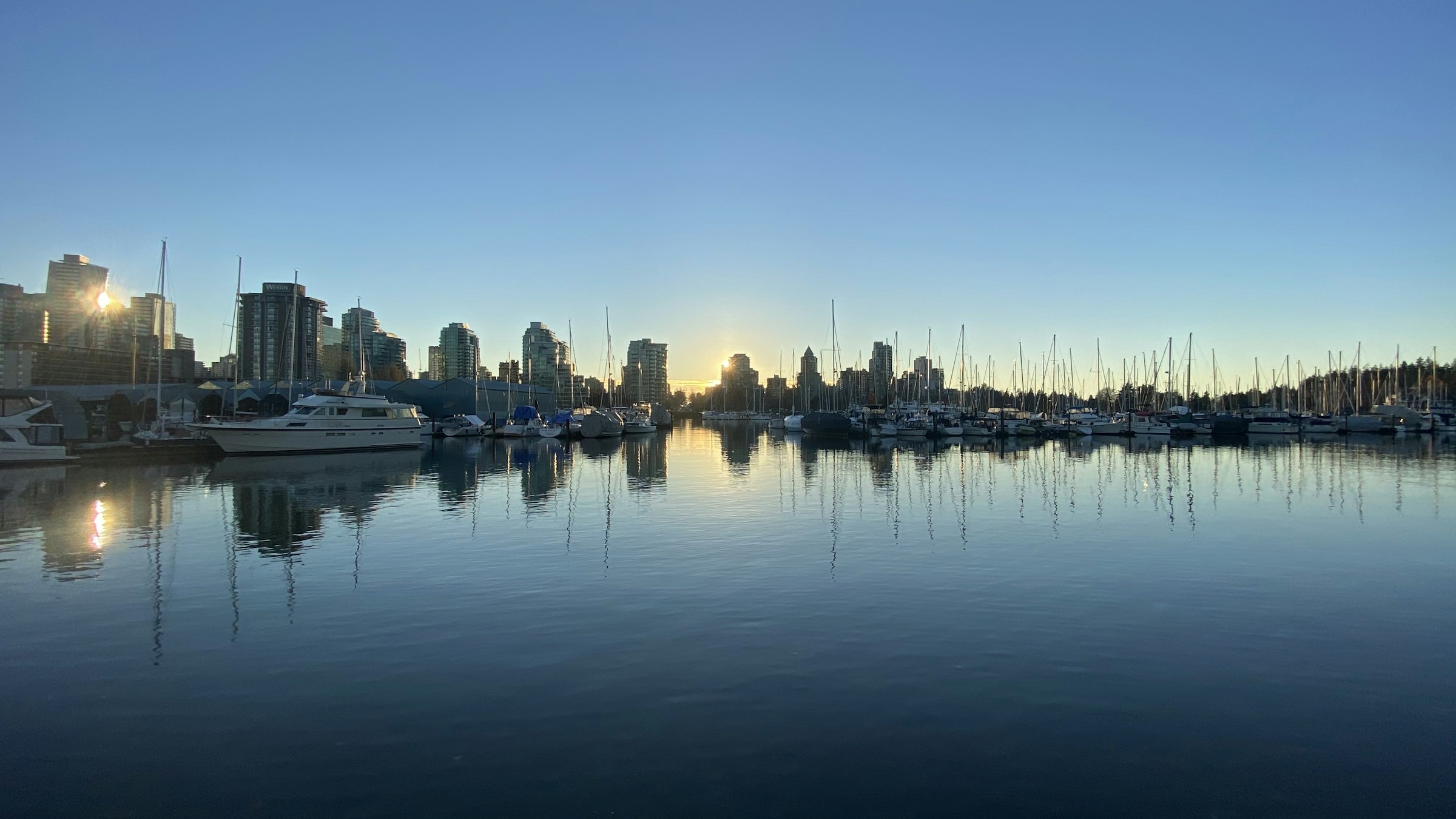
Most Canadian fulfillment runs through two metros. The Greater Toronto Area reaches Ontario and Quebec, the country's two largest provinces, by ground in a day or two. Metro Vancouver serves British Columbia and the West, with the Port of Vancouver feeding imported goods from Asia.
Calgary and Edmonton add a Prairie node for brands with heavy Western demand, and Montreal and Ottawa cover Quebec and the capital region. The right answer depends on where your Canadian customers actually are.
The experience was exceptional. Communication was frequent and responses where quick wheninformation was requested. I would absolutely recommend 3PL Bridge to our partners and will beutilizing 3PL Bridge for our future operational needs.

The team at 3PL Bridge go above and beyond to helptheir clients. Communication is a top priority for themand they are extremely quick to keep you up to date. Iam extremely satisfied with the service I was provided.

3PL Bridge is perfect for our business needs. Within amonth, we signed a contract with our 3PL operations.Thanks again! I will be referring your services to all ofmy fellow business owners

Jordan did an amazing job connecting us with the perfect 3PL for our business needs. Within a month, we signed a contract with our perfect fit. Thanks again! I will be referring your services to all of my fellow business owners.


3PL Bridge helped me find a warehouse solution for my growing business. They took the time to understand my pain points and refer me to the best 3PL clients.

3PL Bridge delivered fast, competitively priced solutions during a tight market. Their transparency and service gave us leverage.
Canada has its own tax registration rules (GST/HST, plus provincial sales taxes in some provinces), its own parcel carriers, and its own labor laws by province. A US brand storing inventory in Canada usually needs a non-resident importer setup and should confirm its GST/HST obligations with a tax advisor before the first shipment.
Tariff policy between the US and Canada has also shifted repeatedly since 2025, so the cost of moving goods across the border should be checked at the time of the decision, not assumed.

Most brands evaluating Canada do not need more warehouse options. They need a clearer way to assess which partner can handle cross-border inbound, domestic Canadian parcel, and the channel mix the business already runs.
3PL Bridge narrows the field to vetted partners based on operational fit and what the business needs from a Canadian footprint, then lets the brand choose who to meet.
Canadian city markets with vetted facilities: Toronto 3PL warehouses, Vancouver 3PL warehouses.
More vetted facilities across Canada:
Ottawa: Ottawa, ON Fulfillment Warehouse, Ottawa, ON High-Volume DTC Fulfillment Center
Calgary: Calgary, AB Fulfillment Warehouse
Edmonton: Edmonton, AB Warehouse
Montreal: Saint-Laurent, QC Fulfillment Warehouse
Southwestern Ontario: London, ON Fulfillment Warehouse
Everything you need to understand before evaluating a new 3PL, reassessing an existing partner, or entering a more rigorous selection process.